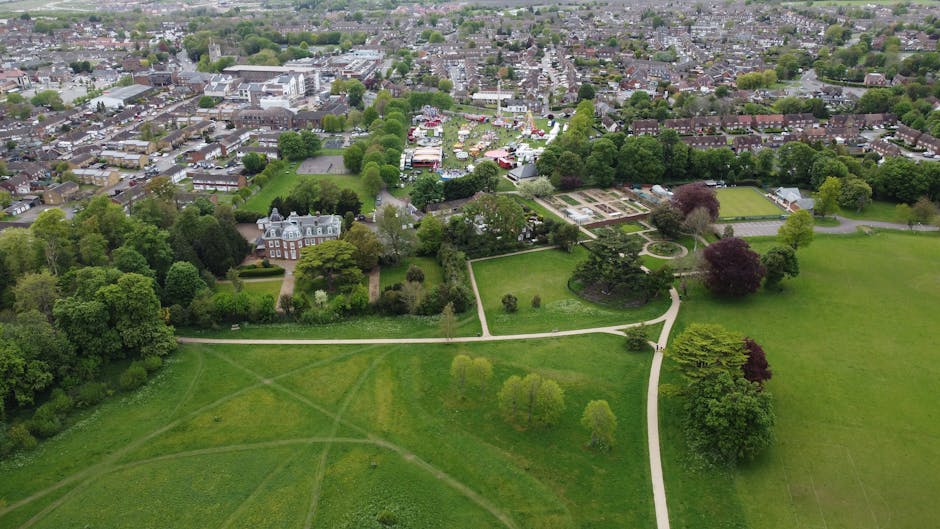
Feltham Park garden maintenance tips from local gardeners
If you live near Feltham Park, you already know the garden can turn on you a bit. One week it looks tidy and calm; the next, weeds have crept into the borders, the lawn feels patchy, and the hedges seem to have grown while you were asleep. These Feltham Park garden maintenance tips from local gardeners are written for exactly that kind of real-life outdoor space: lived-in, exposed to London weather, and expected to look good without becoming a full-time job.
Below, you'll find practical advice from the sort of people who deal with these conditions every day. We'll cover seasonal routines, the small jobs that make the biggest difference, the mistakes that waste time, and when it makes sense to bring in help for heavier work. Nothing fluffy. Just useful guidance you can actually use on a Saturday morning, mug of tea in hand.
Why Feltham Park garden maintenance tips from local gardeners matters
Feltham Park gardens tend to face a mixed bag of conditions. You get the usual London combo of compacted soil, changing shade through the year, bursts of warm growth in spring, and then a fair amount of rain that makes paths slippery and borders weedy. Add in fences, patios, decking, and mature shrubs, and suddenly your garden maintenance routine needs to be a bit smarter than "mow it when it looks long."
Local gardeners usually spot the same pattern over and over: small jobs ignored for a few weeks become larger, messier jobs later. A border left for one season gets root-ridden. A hedge skipped for too long blocks light and starts shedding unevenly. A patio with algae on it becomes a slip risk, especially after wet weather. None of this is dramatic. It's just how gardens work when they're left to their own devices.
That's why local experience matters. The practical tips that work in Feltham Park are rarely the fanciest ones. They are the steady, low-drama habits that keep a garden under control. If you want a broader seasonal service approach, garden maintenance in Feltham TW13 is the sort of support many homeowners lean on when the weekly list gets too long.
Local takeaway: good garden maintenance is less about occasional big effort and more about staying just ahead of growth, weather damage, and clutter.
How Feltham Park garden maintenance tips from local gardeners works
Think of garden maintenance as a cycle rather than a one-off clean-up. Local gardeners usually work in layers: lawn care first, then edges and borders, then hedges and shrubs, then hard landscaping like patios and decking, and finally checks for problem growth such as ivy, overhanging trees, or hidden drainage issues. It sounds simple because, to be fair, it is. The trick is doing the right things in the right order.
The work normally starts with observation. What changed since last week? Is one area holding water? Has the lawn become patchy in shade? Are weeds appearing in the same corner after every rainfall? These details matter because they tell you whether the issue is cosmetic or structural. A tired-looking lawn might just need feeding and mowing. A bare strip beside a wall could mean compaction or too little light.
From there, you build a routine that matches the garden's needs. For example:
- Weekly or fortnightly: mow, edge, weed, and sweep paths.
- Monthly: check hedge shape, deadhead plants, inspect timber, and clear build-up from patios or decking.
- Seasonally: prune, mulch, aerate the lawn, and assess whether any beds need redesigning or replanting.
If a garden has become overgrown, local gardeners often begin with a reset rather than trying to polish the whole space at once. That might include a more complete tidy-up, hedge reduction, waste removal, or even structural work such as tree surgery in Feltham TW13 where branches are limiting light or rubbing against buildings. In some gardens, the quickest visible change comes from dealing with boundaries first, which is why hedge trimming often makes such a difference to the whole look of the place.
Key benefits and practical advantages
There's a good reason maintenance is usually cheaper and calmer than rescue work. Small, regular attention protects the garden's structure and makes every future visit easier. That's the boring truth, but it's also the helpful one.
Here's what regular care gives you:
- Better curb appeal: tidy lawns, edged beds, and clean hard surfaces make the whole home look looked after.
- Healthier plants: pruning, feeding, and mulching on time reduces stress on shrubs, borders, and trees.
- Less weed pressure: once weeds seed and spread, they become much harder to control.
- Safer surfaces: patios, steps, and decking are less likely to become slick or cluttered.
- Better use of space: a maintained garden feels larger, calmer, and more usable.
- Lower long-term effort: steady upkeep prevents the dramatic weekend-of-doom clear-outs.
There's also a practical comfort benefit. A garden that gets regular attention feels easier to enjoy. You notice the smell of cut grass, the softer edges along a path, the way light reaches the back bed once the hedge is trimmed. Small things, yes, but they add up.
For households that want both maintenance and smarter layout improvements, local gardeners often combine upkeep with light improvements through landscaping services. That's especially useful when the garden isn't broken, just a bit awkward.
Who this is for and when it makes sense
This advice suits a few different types of garden owner. You might have a small front garden that keeps turning scruffy. You might have a family back garden that gets used hard through spring and summer. Or perhaps you've moved into a property where the outdoor space looks fine from a distance, but up close it needs proper structure, clearing, and seasonal care. All of those situations benefit from the same core approach.
It also makes sense if you're short on time. Many people in Feltham Park do not want a highly ornamental garden. They want something neat, healthy, and manageable. That's fair enough. If you're in that camp, maintenance choices should favour simple routines, reliable planting, and surfaces that are easy to keep in shape.
Local gardeners will also tell you that some gardens need extra help after storms, long dry spells, or a winter of neglect. If you've let things slide for a while, it is usually better to reset the space properly than to keep trimming around the problem. A neglected patch can often be brought back methodically, as discussed in transforming a neglected garden from the ground up.
In other words: this is for you if you want a garden that works with your life, not one that constantly asks for a second shift.
Step-by-step guidance
Here's a grounded routine local gardeners tend to recommend. It's straightforward, but the order matters.
1) Start with a clean visual sweep
Walk the whole garden before you touch anything. Look for weeds, fallen branches, blocked drains, moss, broken pots, leaning supports, and low-hanging growth. Notice what looks tired versus what looks damaged. You'll make better decisions if you see the whole picture first.
2) Tackle the lawn before the borders
The lawn sets the tone. If it's too long, uneven, or patchy, the whole garden feels neglected. A proper mow, edge trim, and light feed can make a massive difference. For regular upkeep, many homeowners use lawn mowing in Feltham TW13 alongside lawn care so the grass actually improves rather than just getting shorter.
One practical tip: don't scalp the lawn in one go. Keep the cut sensible, especially in dry weather or after a growth burst. Grass stressed too hard tends to thin out, and then you've got bare patches. Bit of a nuisance, that.
3) Weed properly, don't just nick the tops off
Pull weeds from the root where possible, especially in paths, borders, and gravel areas. Surface-level weeding gives you the illusion of progress for about five minutes. After that, the same weed waves at you again.
If the problem is widespread, a weed-first approach can be worth more than a general tidy. You can also read more about control methods in expert methods to tackle unwanted weeds.
4) Shape hedges and shrubs before they become bulky
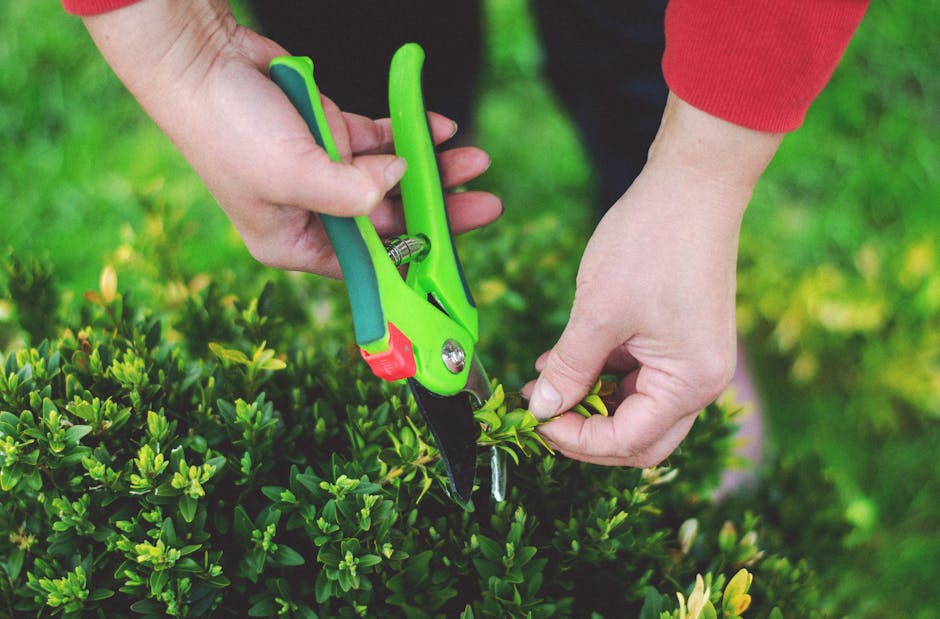
Hedges are one of the easiest things to let drift. Then they shade the border, spill over the pavement, and make the garden feel compressed. Light, regular trimming is easier than hard cutting once a year. It also keeps the shape neater and reduces the shock to the plant.
If privacy matters, choose the height and style carefully. A few people want a crisp formal line; others just want a softer boundary that doesn't dominate the garden. There's no single right answer. If you want ideas on plants and structure, fast-growing hedges for seclusion is worth a look.
5) Clear and protect hard surfaces
Patios, paths, and decking pick up algae, leaf stain, mud, and general garden grime. Clean these surfaces before the build-up becomes slippery or ingrained. That matters more in shaded corners and after wet spells, when things go from "a bit green" to "careful, that's slick."
For particularly stubborn patio build-up, a dedicated patio cleaning service can be the sensible option, especially when the surface is large or badly stained.
6) Cut back problem growth and dead material
Dead stems, overgrown climbers, and creeping ivy can make a garden feel abandoned fast. Deal with them early. Ivy in particular needs a firm hand and a little patience. Leave it for too long and it starts colonising walls, fences, and trees with alarming confidence. Like a tenant who never leaves.
For more detailed guidance on persistent climbers, the definitive guide to banish ivy from your garden forever is useful background.
7) Finish with mulch, feed, and tidy edges
Once the garden is physically in shape, finish with the small stuff. Re-edge beds. Add mulch if the soil is exposed. Feed hungry plants where needed. Collect the cuttings properly. This final pass is what turns a clean-up into a finished garden.
Expert tips for better results
Local gardeners often rely on small habits that make maintenance easier all year. They're not glamorous, but they work.
- Work with the garden's microclimates. Shady corners, sheltered beds, and exposed edges all behave differently. Plant and prune accordingly.
- Don't fight the season. In spring, growth is vigorous; in summer, moisture management matters; in autumn, leaf clearance becomes constant; in winter, structure and protection matter most.
- Keep the first metre from the house extra tidy. That strip sets the tone and helps prevent mud, damp leaves, and pest hiding spots.
- Use ground cover where mowing is awkward. Slopes, narrow beds, and dry shade often work better with low, spreading plants than with stubborn turf. See ground cover options for UK gardens for sensible ideas.
- Prioritise low-maintenance planting if you're busy. A good local gardener won't recommend high-fuss plants for a high-fuss family schedule. That would be daft.
One more thing: don't overcomplicate feeding and watering. Most gardens do better with consistency than with occasional overdoing it. A slightly tired plant given the right amount of care is usually happier than one drowned in attention.
If your garden gets hit by wind, the shape and spacing of planting matter too. Local advice on handling strong wind in garden spaces can help you avoid repeated breakage and leaning growth.
Common mistakes to avoid
Most garden maintenance problems come from a few repeat errors. Once you know them, you start spotting them everywhere.
- Trying to do everything in one go. That usually leads to rushed cuts, missed weeds, and tired backs.
- Cutting hedges too hard too late. A severe chop can leave ugly gaps and stress the plant.
- Ignoring shaded damp areas. These often become mossy, slippery, and messy before anyone notices.
- Leaving leaf litter to rot in corners. It traps moisture and creates a nice little home for weeds and pests.
- Using the wrong tool for the job. A blunt tool makes simple maintenance harder than it needs to be.
- Focusing only on what is visible from the window. The side return, rear boundary, and under-hedge areas matter just as much.
One common local mistake, honestly, is waiting until spring to discover winter damage. By then, you're not just tidying. You're repairing. A small autumn check saves a lot of sighing later.
Tools, resources and recommendations
A sensible maintenance toolkit does not need to be huge. It needs to be sharp, comfortable, and suited to the work you actually do.
| Tool or resource | Best for | Why it helps |
|---|---|---|
| Shears and secateurs | Hedges, shrubs, deadheading | Give cleaner cuts and better control than trying to force blunt tools |
| Rake and leaf grabber | Autumn tidy-ups, lawn clearance | Stops debris smothering grass and borders |
| Spade and hand fork | Weed removal, border work | Helps lift roots rather than just snapping tops off |
| Pressure-style surface cleaning, used carefully | Patios, paths, hard surfaces | Useful where grime and algae have built up, though not always suitable for every surface |
| Mulch and compost | Borders, soil improvement | Helps moisture retention and soil health |
| Professional maintenance support | Ongoing upkeep, bigger clear-outs, specialist jobs | Saves time and handles tasks that are awkward or risky |
If your garden has a lot of recurring jobs, it can be worth pairing regular mowing with a broader care plan. Gardening services in Feltham TW13 can cover the bits that pile up fast, while you keep the lighter jobs in hand yourself.
For people with timber features, remember that decking needs different care from paving. If it's not maintained properly, it can weather, stain, or become slippery. That's why decking services matter more than they first appear.
Law, compliance and best practice
Garden maintenance is mostly practical rather than heavily regulated, but a few UK best-practice points are worth keeping in mind. If you're cutting back shared boundaries, overhanging branches, or hedges near a pavement, be careful not to create disputes or hazards. If a tree is close to a structure or shows signs of disease or instability, it's sensible to get it assessed by someone with the right experience rather than guessing. That's not legal drama; it's just sensible risk management.
Noise, waste disposal, and neighbours are the other usual considerations. In residential areas, work is best scheduled considerately. No one loves a leaf blower at a daft hour. And while garden waste can often be removed responsibly, it should not be dumped in communal bins or left to blow into neighbouring spaces. Local standards are mostly about common sense and respect.
For pruning and cutting, use accepted horticultural practice: avoid damaging main stems, don't overcut during extreme weather, and clean tools to reduce the spread of disease. If you are unsure about protected trees, boundary ownership, or major cutting work, seek proper advice before starting. Better to pause than to create a problem you can't easily unpick.
In practical terms, good workmanship means tidy cuts, safe access, careful waste handling, and no shortcuts on slippery surfaces or unstable ladders. That's the standard local gardeners should aim for.
Options, methods, or comparison table
If you're deciding how hands-on to be, the choice usually comes down to time, confidence, and how quickly the garden is declining between visits. Here's a simple comparison that many homeowners find helpful.
| Approach | Best for | Pros | Trade-offs |
|---|---|---|---|
| DIY weekly upkeep | Small or simple gardens | Low cost, flexible, good for routine jobs | Can become overwhelming if growth is strong or time is limited |
| Mixed DIY plus periodic help | Busy households with manageable gardens | Balanced cost and support, keeps standards high | Needs a realistic plan so the same jobs are not left undone |
| Full professional maintenance | Overgrown, larger, or complex gardens | Consistent finish, quicker recovery, less stress | Higher ongoing expense than doing everything yourself |
| One-off restoration | Neglected gardens needing a reset | Fast visible improvement, clears the backlog | Needs follow-up maintenance or the mess returns |
For many Feltham Park homes, the sweet spot is mixed care: you handle the little bits, and a local team steps in for the jobs that are too big, too high, or too time-consuming. That's often where the garden starts feeling manageable again.
Case study or real-world example
A fairly typical Feltham Park scenario goes like this. A family has a back garden that looked fine in early spring, then drifted. By midsummer the lawn was uneven, the hedge had pushed out sideways, weeds had taken over the border, and the patio had gone green in patches. Nothing catastrophic. Just enough to make them avoid using the space.
The fix didn't start with planting new things. It started with making the garden easier to read. The hedge was trimmed back into shape, the lawn was cut and edged, the patio was cleaned, and the worst weeds were removed at root level. After that, the garden suddenly looked bigger, brighter, and less like a chore waiting to happen.
Then came the quieter improvements: mulch in the borders, better spacing around the shrubs, and a more realistic mowing rhythm. The result wasn't a show garden. It was better than that. It was usable. Comfortable. A place where you could step outside and not immediately think, "Right, I need to spend half a day on this."
That's the real value of local maintenance knowledge. It focuses on what changes the feel of the garden, not just what looks impressive in a before-and-after photo. If you need broader support for the kind of tasks that make the biggest difference, lawn mowing in Feltham TW13 and patio cleaning are two of the fastest wins.
Practical checklist
Use this as a simple working list before the weekend gets away from you.
- Walk the garden and note what looks different from last week.
- Mow the lawn at a sensible height, not too short.
- Edge borders and paths so the garden looks finished.
- Remove weeds properly, roots included where possible.
- Trim hedges lightly and regularly rather than harshly once in a while.
- Check for dead, damaged, or crossing branches.
- Clear patios, paths, and decking of algae, leaves, and debris.
- Mulch or feed beds if the soil looks tired or bare.
- Inspect fences, supports, and boundary growth.
- Bag and remove green waste neatly, don't leave it piling up.
- Plan the next maintenance session before the garden slips again.
If you want to go a step further, build a seasonal list too. Spring is for growth control and feeding, summer is for watering and mowing, autumn is for clearance, and winter is for protection and structure. Simple enough, but it keeps you from reacting too late.
Get a free quote today and see how much you can save.
Conclusion
The best Feltham Park garden maintenance tips from local gardeners are the ones that make life easier, not busier. Keep the lawn in shape, stay on top of weeds, trim hedges before they run away with themselves, and look after hard surfaces before they become slippery or stained. Small, regular effort really does beat the heroic once-a-year clean-up. Most people know this, then forget it for a few weeks. Happens to the best of us.
If your garden is already tipping into "too much," don't panic. Start with the visible stuff, then work down into the less obvious jobs. A tidy reset can change the whole atmosphere of the space in a single afternoon. And once it's back under control, keeping it that way becomes much easier.
There's a good kind of satisfaction in a garden that behaves itself. Quiet, neat, ready when you are. That's the aim, really.
Frequently Asked Questions
How often should I maintain a garden in Feltham Park?
For most gardens, a weekly or fortnightly routine works best during the growing season. In quieter months, monthly checks can be enough, provided you stay on top of leaves, damage, and weather-related issues.
What are the most important garden maintenance jobs to do first?
Start with the lawn, weeds, and any obvious hazards such as slippery patios, broken branches, or overgrown hedges. Those jobs usually have the biggest visual and practical impact.
Is garden maintenance different in London gardens compared with rural gardens?
Yes, a bit. London gardens often have more boundary pressure, compacted soil, shade from nearby buildings, and less forgiving access. That changes how you water, prune, and plan plant choice.
Should I trim hedges myself or hire help?
Smaller, manageable hedges are often fine for DIY if you have the right tools and safe access. Taller, thicker, or awkwardly placed hedges are usually better left to experienced help, especially if they affect light or boundaries.
What is the easiest way to control weeds without spending all weekend on them?
Deal with them early, before they seed. Focus on root removal in beds and hard surfaces, and use mulch or ground cover to reduce regrowth. A little and often approach is far easier than big rescue sessions.
Do patios and decking really need regular cleaning?
Yes. Algae, leaf staining, and general grime build up gradually, and once a surface gets slippery or heavily marked, it takes more effort to restore. Regular cleaning keeps it safer and more inviting.
What should I do if my garden has become overgrown?
Break it into sections. Start with access, then tackle the lawn, hedges, weeds, and any dead or invasive growth. If it feels too large to manage in one go, a full tidy-up or restoration approach may be the better option.
How do I know if my trees need professional attention?
Look for dead limbs, major leaning, rubbing branches, or trees that are affecting buildings, light, or safety. If you are unsure, a proper assessment is wiser than guessing. Trees can be deceptive, honestly.
What tools do I actually need for normal garden upkeep?
At minimum, a mower, shears, secateurs, a rake, a spade, and a decent pair of gloves. If you have hedges or hard landscaping, you may also want more specialised equipment or occasional professional support.
When is the best time to carry out major garden maintenance?
Light maintenance is best done regularly, but bigger cuts and resets are often easiest in milder weather when plants are actively growing and the ground is workable. Avoid heavy work during extreme heat, frost, or storms where possible.
Can I improve a garden without redesigning the whole thing?
Absolutely. In many cases, better maintenance, improved edging, weed control, and thoughtful pruning make a garden feel almost new without changing the layout. Sometimes the simplest fixes do the most.
Where should I start if I want help with garden maintenance in Feltham Park?
Start with the jobs that are eating your time or causing the biggest problems. That might be mowing, hedge trimming, patio cleaning, or a full seasonal tidy-up. From there, you can build a routine that actually fits your garden and your week.