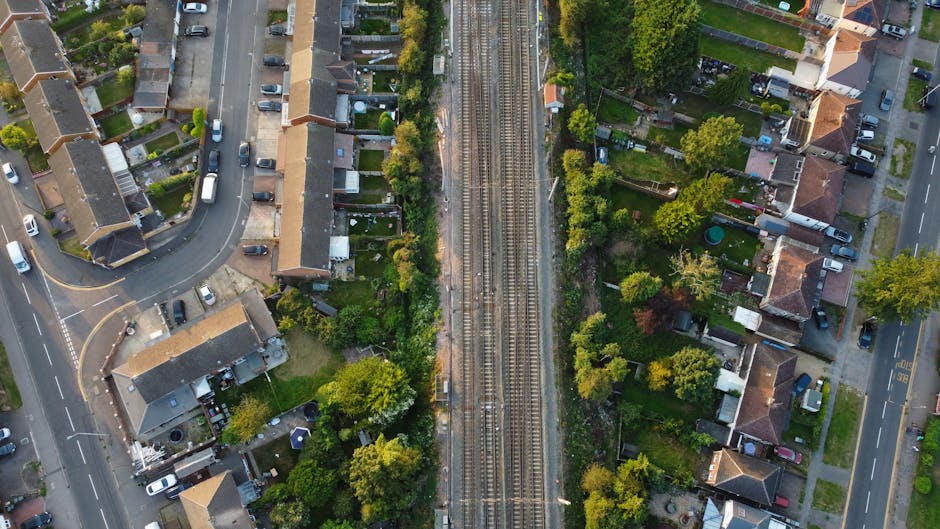
Local gardeners guide for homes near Feltham Station
If you live close to Feltham Station, your garden probably has its own little rhythm. One side may catch the morning sun, another may feel exposed to passing wind, and a narrow front plot can turn muddy after a wet week. This Local gardeners guide for homes near Feltham Station is designed to help you make sense of those everyday realities, whether you want a tidier lawn, better privacy, healthier planting, or simply less weekend work. Truth be told, most gardens do not fail because of one big problem. It is usually a handful of small things that get left too long.
In this guide, you will find practical advice on what local gardening support can do, how to plan jobs sensibly, where people often go wrong, and which improvements tend to make the biggest difference for homes near the station. If you are comparing options, or just trying to figure out where to start, this should give you a calm, useful roadmap. No fluff. Just the stuff that helps.
Table of Contents
- Why this guide matters
- How local gardening support works
- Key benefits and practical advantages
- Who this is for and when it makes sense
- Step-by-step guidance
- Expert tips for better results
- Common mistakes to avoid
- Tools, resources and recommendations
- Law, compliance, standards, or best practice
- Options, methods, or comparison table
- Case study or real-world example
- Practical checklist
- Conclusion
- Frequently asked questions
Why Local gardeners guide for homes near Feltham Station Matters
Gardens near a busy station area face a slightly different set of pressures from a quiet suburban cul-de-sac. There is often more foot traffic, more exposure to road dust, more boundary tension, and sometimes less time to keep on top of things. That does not mean the garden has to be complicated. It just means the plan needs to be realistic.
A local gardener who understands homes near Feltham Station can work with the space you actually have, not the idealised version you wish you had. That matters for small front gardens, side returns, shared access paths, and back gardens that need to look neat without demanding every Saturday morning. A good result is not only about appearance either. It is also about drainage, safety, privacy, and plant choices that can cope with the local conditions.
In our experience, one of the biggest wins is simply removing friction. If mowing, trimming, weeding, and seasonal tidy-ups are scheduled properly, the garden feels easier almost immediately. You stop reacting and start managing. Small shift, big difference.
For many homeowners, that is the real goal: a garden that feels under control without becoming a second job.
How Local gardeners guide for homes near Feltham Station Works
Local garden support usually starts with a walk-through and a quick assessment of the main pain points. That might sound basic, but it is where the useful decisions begin. Is the lawn patchy because of shade, compaction, or poor mowing habits? Are the hedges overgrown because they are simply the wrong variety for the space? Is the patio slippery because it needs cleaning, or because runoff is pooling in the wrong place?
From there, the work is typically broken into manageable categories. Common jobs include routine garden maintenance in Feltham TW13, seasonal cutting back, hedge shaping, lawn work, and site clearance. If your garden needs more than upkeep, you may also look at general gardening services or more tailored improvements such as landscaping support.
The practical method is usually simple:
- Assess the space and priorities.
- Decide what needs doing now versus what can wait.
- Choose the right approach for the season and the garden type.
- Carry out the work in a sensible order.
- Maintain the result so it does not slide back in a month.
That last step matters more than people think. Anyone can make a garden look good for a day. Keeping it that way is the skill.
For lawns, the workflow might include mowing, edging, feeding, and scarifying at the right moments. If grass has become thin or scalped, it is often better to address the cause rather than keep cutting harder. Nearby homes with busy lives benefit from a plan that is steady, not dramatic. You do not need to do everything at once, honestly.
Key Benefits and Practical Advantages
There are clear reasons why people living near Feltham Station often choose a local gardener rather than trying to keep up alone.
- Time back in your week: Less weekend scrubbing, weeding, and guesswork.
- Better-looking boundaries: A neat edge, clipped hedge, or tidy fence line changes the whole feel of a property.
- Healthier growth: Plants, lawns, and shrubs usually respond better when pruning and feeding are done properly.
- Safer outdoor areas: Clearing slippery algae, loose branches, and trip hazards makes a real difference.
- Improved privacy: The right planting or screening can soften overlooking windows and road-facing gardens.
- Better long-term value: A garden that is cared for tends to age more gracefully. It shows.
There is another benefit that gets overlooked: mental load. When the garden is messy, people often carry it around in the back of their mind. You look at the hedge every day. You notice the weeds, the dead patch, the ivy creeping somewhere it should not. Once those things are handled properly, the whole home feels lighter. A bit less nagging. A bit more yours.
That is especially useful for homes near transport links, where the pace of life can already feel busy. A good outdoor space should calm things down, not add another list to your head.
Who This Is For and When It Makes Sense
This guide is useful if you are a homeowner, landlord, tenant, or property manager near Feltham Station and you want practical results without wasting money on the wrong job. It is also a good fit if you have inherited a garden that is not quite under control, or if you simply do not have the time or tools to keep up with it properly.
It makes particular sense when:
- the lawn is uneven, tired, or full of weeds
- hedges are blocking light or encroaching onto paths
- trees are casting too much shade or shedding heavily
- a patio or deck has become slippery or dull
- the garden feels exposed and could use better screening
- you are preparing a property for sale or letting
- you want a lower-maintenance layout that still looks good
If your garden is already stable and only needs the odd tidy, you may only need periodic help. If it is a bit more unruly, a more structured plan is usually smarter. That is where services such as lawn care in Feltham TW13 or hedge trimming can make a very visible difference.
A useful question to ask yourself is simple: do I want a once-off rescue, or a garden that stays manageable all year? The answer changes the approach quite a lot.
Step-by-Step Guidance
If you are starting from scratch, keep the process simple. Gardens tend to improve faster when the work is sequenced properly instead of spread randomly across ten half-finished weekends.
- Walk the garden at eye level. Look for overgrowth, bare patches, drainage issues, broken edging, worn surfaces, and anything unsafe.
- Sort by priority. Deal with safety and access first. Then appearance. Then longer-term improvement.
- Cut back structure before detail. Hedges, tree canopies, and larger shrubs should usually be tackled before fine finishing.
- Reset the lawn. Mow at the correct height, remove debris, define edges, and identify whether feeding or reseeding is needed.
- Clean hard landscaping. A tired patio can drag the whole garden down. In many cases, patio cleaning is one of the quickest visible upgrades.
- Improve structure and privacy. Add screening, repair boundaries, or rethink planting near overlooked areas.
- Choose plants that suit the site. Sun, shade, wind, and soil should drive the choice, not just what looked lovely in a shop.
- Set a maintenance rhythm. Regular tidies beat rescue jobs nearly every time.
A small example: a terraced home near the station might have a narrow rear garden that feels too open and too busy. Rather than filling it with lots of random pots, the better solution may be one tidy lawn strip, a screening hedge, and a simple seating area. Much easier to live with. Much easier to keep clean too.
And yes, sometimes the best gardening decision is choosing not to overcomplicate things. That counts.
Expert Tips for Better Results
Here are a few habits that separate a decent result from a really solid one.
- Work with the season, not against it. Heavy pruning, feeding, or reshaping is best timed carefully rather than done on impulse.
- Use the right mowing pattern. Changing direction helps reduce ruts and improves the look of the lawn over time. If mowing is a challenge, regular lawn mowing support can keep things on track.
- Do not let ivy or climbers get comfortable. They can quickly take over fences, walls, and borders. If you have a problem area, read up on how to deal with ivy properly.
- Pick low-maintenance plants where you can. Especially for busy households, structure beats novelty.
- Keep paths and seating areas clean. Slippery green film is not just unattractive; it can be risky in wet weather.
- Think vertically. If the plot is small, climbing plants, trellises, and screening can create depth without swallowing all the ground space.
If you want a calmer garden with less upkeep, start looking at layouts that naturally reduce work. The piece on affordable low-maintenance garden ideas is a useful companion for that. Likewise, if you are keen on efficient planting choices, the guide to ground cover options for UK gardens can help you replace awkward empty patches with something more resilient.
One more thing. Never be afraid to leave a job for the right weather window. A damp, blustery morning is rarely the moment for ambitious pruning. Been there, regretted it.
Common Mistakes to Avoid
Most garden problems become more expensive when people try to solve them in the wrong order. It happens all the time.
- Overcutting the lawn: Scalping grass weakens it, especially in dry or shaded spots.
- Pruning at the wrong time: Some shrubs and hedges respond well, others do not. Timing matters.
- Ignoring drainage: If water pools near paths or borders, the same muddy patch will keep coming back.
- Choosing plants without checking conditions: Sun-loving plants in deep shade usually disappoint. No mystery there.
- Letting boundaries go unchecked: A hedge or fence line that is left too long can become a shared frustration with neighbours.
- Mixing too many styles: A garden can become visually busy very quickly if every area has a different idea behind it.
Another common one: people spend money on decorative pieces before dealing with basics. A new bench looks lovely, but if the patio is green and the hedge is leaning over, the whole thing still feels unfinished. Better to put the structure right first, then add the nice bits.
If your garden is already in a bit of a state, it may help to start with a proper reset. There is a good overview in transforming a neglected garden from the ground up, which is a sensible companion piece if you are facing a bigger tidy-up.
Tools, Resources and Recommendations
You do not need a shed full of equipment to manage a home garden well. But the right tools make a big difference, especially for repeated tasks.
- Sharp secateurs: For clean cuts on small stems and light pruning.
- Shears or hedge trimmers: Useful for shaping boundaries and keeping growth even.
- Lawn mower: Choose one that suits your lawn size rather than assuming bigger is better.
- Stiff broom and scraper: Handy for patios, decking, and edging work.
- Wheelbarrow or garden trug: Makes clearance and tidy-ups much less tiring.
- Gloves, goggles, and sturdy footwear: Simple but worth it, especially for thorny or heavy work.
For most homes near Feltham Station, the smartest resource is not a fancy gadget, but a clear maintenance plan. That may include a seasonal cut-back, monthly lawn attention, a spring refresh, and a quick pre-winter tidy. If you need broader support, it can be helpful to combine services like full gardening support with more specific jobs such as tree surgery or fencing work.
For ideas that reduce long-term maintenance, the article on container gardening is helpful, especially if your space is paved or small. And if the garden gets battered by exposure, you may also want to look at handling strong winds in garden spaces.
Small note, but a useful one: if you are unsure about tackling higher or heavier work yourself, it is usually better not to force it. Safety first, pride second. Maybe third.
Law, Compliance, Standards, or Best Practice
For home gardening near Feltham Station, the main compliance issues are usually practical rather than complex. Still, a careful approach is wise.
For example, if a tree is protected or subject to restrictions, pruning or removal may require extra care and local checks. Boundary work can also cause disputes if the ownership line is unclear. That is why a reputable local gardener will usually advise you to confirm what belongs to your property before cutting into a shared hedge or fence line.
Good practice also matters with tools and materials. Waste should be handled responsibly, paths should be left safe, and heavy growth should not be dumped where it blocks drains or access. If work involves ladders, overhead branches, or sharp equipment, sensible precautions are part of the job, not an optional extra.
For most routine jobs, the standard is straightforward: work cleanly, communicate clearly, avoid unnecessary damage, and leave the garden in a state that feels safe and usable. That sounds obvious, but plenty of people skip it. A proper gardener should not.
Weather is another practical factor. In wet, icy, or high-wind conditions, some tasks are better delayed. If you are planning seasonal work, the guide to safeguarding gardens against severe weather gives a sensible picture of how to think ahead, especially in exposed places.
Options, Methods, or Comparison Table
Different gardens need different approaches. Here is a simple comparison to help you decide where to spend effort first.
| Approach | Best for | Pros | Watch-outs |
|---|---|---|---|
| Routine maintenance | Gardens that are mostly tidy but need regular care | Affordable, predictable, keeps everything under control | Does not fix major structural issues on its own |
| One-off clearance | Overgrown, neglected, or newly inherited gardens | Fast visual improvement, removes the worst problems quickly | Can feel temporary if not followed by maintenance |
| Targeted lawn care | Patchy, thin, mossy, or uneven lawns | Improves one of the most visible parts of the garden | Needs follow-up to hold the result |
| Hedge and boundary work | Homes needing more privacy or cleaner edges | Better light, shape, and seclusion | Wrong timing or poor cuts can weaken growth |
| Full landscaping | Gardens with layout problems or major wear | Changes how the space functions, not just how it looks | Takes more planning and usually a bigger budget |
If privacy is a key concern, there is also a useful cluster of content around screening and structure, including fast-growing hedges for seclusion and different hedge trimming styles. Those are especially handy if your garden is visible from neighbouring properties or a shared route.
Sometimes the right answer is not "more plants." Sometimes it is better edging, a smarter fence line, or a clean patio that gives the whole space a bit of breathing room.
Case Study or Real-World Example
Imagine a small rear garden close to the station: compact lawn, two tired borders, a shed at the back, and a patio that has gone a bit green after a damp spell. The owners want it to look good from the kitchen window and be easy enough to maintain through the year. Nothing extravagant. Just decent.
The first step is usually to clear the clutter and see what the space is actually doing. In many cases, there is more lawn than the family uses, and the borders are stuffed with plants that do not suit the light. A gardener might reduce the lawn slightly, tidy the edges, reshape the shrubs, and clean the patio so the whole garden feels brighter straight away.
Then the layout gets refined. Maybe a small seating area is added, with enough space to walk around it comfortably. If the boundary feels too open, screening plants or a repaired fence can help. If the tree canopy is dropping too much shade, light pruning may open the space without losing character.
Within a day or two, the garden may not be "finished" in a magazine sense, but it will feel liveable. More importantly, it will stay manageable. That is the win.
A very similar approach works for larger family gardens too, especially where children or pets use the space. If that is your situation, the articles on child-friendly back garden ideas and keeping dogs safe in the garden can help you think through the layout without making it complicated.
Practical Checklist
Use this simple checklist before you book work or start your own tidy-up.
- Check which areas need attention first: lawn, hedge, patio, beds, or boundaries.
- Look for safety issues such as loose branches, slippery surfaces, or unstable edging.
- Decide whether the job is maintenance, recovery, or redesign.
- Note where the garden gets sun, shade, wind, and standing water.
- Identify plants or features that are causing extra work.
- Think about privacy, noise, and visibility from neighbouring homes or paths.
- Choose a maintenance rhythm that fits your week, not an idealised one.
- Set a budget for the essentials before cosmetic upgrades.
- Ask about waste removal, access, and timing if you are hiring help.
- Plan a seasonal follow-up so the garden does not fall back into chaos by autumn.
Expert summary: For homes near Feltham Station, the best gardening results usually come from doing fewer things, but doing them properly. Clear the basics, improve the structure, then maintain the garden lightly and consistently. That is the formula that holds.
Get a free quote today and see how much you can save.
Conclusion
A garden near Feltham Station does not need to be perfect to be valuable. It needs to feel manageable, welcoming, and suited to the way you actually live. If the lawn is healthier, the hedge is neat, the patio is cleaner, and the borders are easier to care for, the whole home feels better. Simple as that.
The smartest approach is usually a mix of maintenance and targeted improvements. Tidy what is getting in the way, strengthen the weak spots, and keep the layout honest. Not every garden needs a full redesign. Some just need the right attention at the right time.
If you take one thing from this guide, let it be this: small, consistent care beats dramatic rescue work nearly every time. And once your outdoor space starts working for you, it becomes a place you actually want to use, even on a grey London afternoon.
A good garden does not shout. It settles you.
Frequently Asked Questions
What do local gardeners near Feltham Station usually help with?
They usually cover mowing, hedge trimming, garden tidy-ups, planting, border care, patio cleaning, fencing-related work, and larger improvements such as landscaping. The exact mix depends on the garden and the season.
How often should a garden near Feltham Station be maintained?
Most gardens benefit from light, regular maintenance rather than rare big clear-outs. Lawns and hedges often need more frequent attention in spring and summer, while autumn is usually about cutting back and preparing for wetter weather.
Is it better to book one-off garden clearance or regular maintenance?
If the garden is badly overgrown, a one-off clearance is often the right first step. If the space is already reasonably tidy, regular maintenance is usually better value because it prevents the same issues returning.
Can a local gardener help make a small garden feel bigger?
Yes. The usual tricks are better structure, simpler planting, cleaner edges, vertical interest, and reducing visual clutter. Even a small change in layout can make the space feel much more open.
What should I ask before hiring a gardener?
Ask what they recommend first, how they handle waste, whether they can support ongoing maintenance, and how they would prioritise your garden. It is also sensible to ask what is included in the work so there are no surprises.
Do overgrown hedges need specialist attention?
Sometimes they do. If a hedge is thick, tall, or awkwardly placed, careful trimming is important. In some cases, the job is straightforward; in others, a more experienced approach is safer and gives a cleaner finish.
What is the best way to improve privacy in a garden near the station?
Good privacy usually comes from a mix of boundary planting, hedge shaping, fencing, and layout changes. Fast-growing screens can help, but they should suit the space and maintenance level you can realistically manage.
Can patio cleaning really make that much difference?
Yes, surprisingly often. A dirty or algae-marked patio can make the whole garden feel older and darker than it really is. Once cleaned, the space often looks bigger, brighter, and more inviting.
What if my garden gets very windy or exposed?
Then plant choice and structure matter even more. Wind-tolerant planting, solid boundary support, and sensible positioning of seating and taller features can make the garden far more comfortable.
How do I keep garden work manageable through the year?
Use a seasonal plan. Keep a basic routine for mowing and tidying, then add bigger jobs like pruning, hedge shaping, or clearance at the right time of year. A little consistency saves a lot of stress later.
Are there low-maintenance options for busy households?
Absolutely. Many homeowners choose resilient planting, ground cover, simpler borders, and practical hard landscaping to reduce upkeep. The article on low-maintenance garden solutions is a good place to get ideas if you want less work and fewer headaches.
When should I contact a professional rather than do it myself?
If the work involves large trees, heavy pruning, slippery hard surfaces, repeated overgrowth, or a layout that is no longer functional, professional help is usually worth considering. Sometimes the time saved is the real value.
What is the first thing I should fix if my garden feels out of control?
Start with the most visible and disruptive issue. For many homes that means the lawn, hedge line, or patio. Once one major area is under control, the rest of the garden becomes much easier to judge and improve.