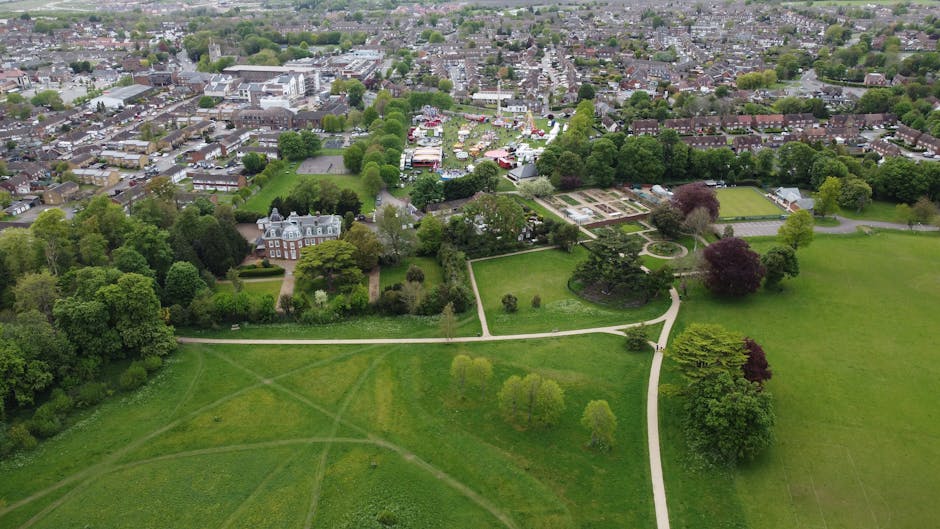
Reliable gardeners for Feltham Green and town centre homes
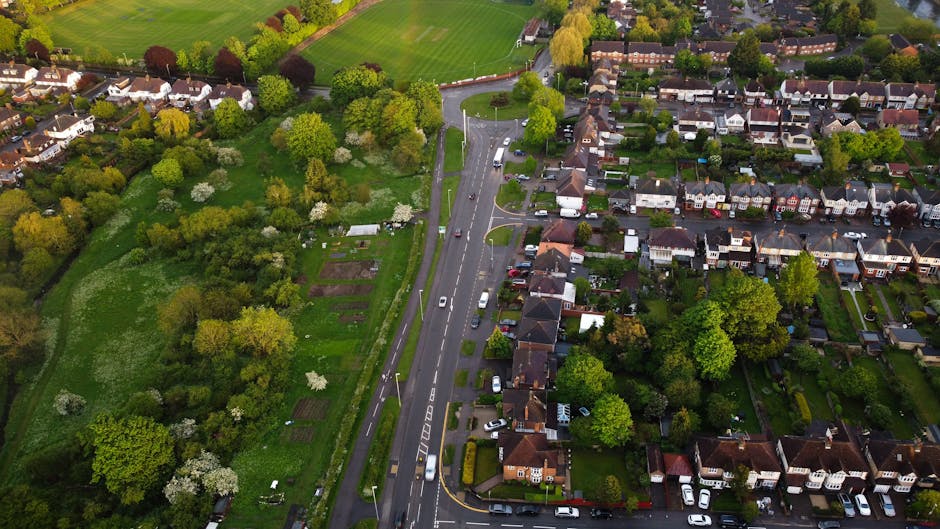
If you live near Feltham Green or closer to the town centre, you already know the same garden can feel either wonderfully calm or endlessly demanding. One wet week and the lawn is shaggy; one windy spell and the hedge starts looking tired; one busy month and the patio gathers grime, weeds, and that slightly neglected look. Reliable gardeners for Feltham Green and town centre homes are the difference between a garden you mean to fix and a garden that quietly stays under control all year.
This guide looks at what dependable local garden care should actually include, how it works in real life, and how to choose the right help without overcomplicating things. We'll also cover practical services, common pitfalls, legal and best-practice considerations, and a realistic way to judge value. Nothing flashy. Just the sort of clear advice that helps you make a good decision and, frankly, keeps the back garden from becoming a weekend hostage situation.
Why Reliable gardeners for Feltham Green and town centre homes Matters
Reliability is not just a nice extra. In a neighbourhood like Feltham, where homes range from compact town-centre plots to slightly larger family gardens near Feltham Green, the difference between "someone who turns up" and "someone who turns up, prepared" is huge. Gardens here have to handle everyday use, seasonal weather, shade from mature trees in some streets, and the general reality of modern life: not enough time, not enough dry weekends, and far too many jobs landing at once.
A reliable gardener does more than mow grass. They understand how to keep a garden looking decent without turning it into a high-maintenance project. That means knowing when to trim, when to leave growth alone, how to manage weeds before they spread, and how to avoid damage during wet or windy conditions. If you've ever seen a hedge cut too hard in the wrong month, you'll know what I mean. The damage can linger for ages.
For town centre homes, there's another layer to it: access, privacy, and presentation. Front gardens, shared side passages, and compact rear spaces all need tidy work that respects neighbours and makes the most of limited space. A good local gardener keeps that in mind. They're not just "doing the garden"; they're helping the property feel looked after.
And let's be honest, reliability also means peace of mind. You shouldn't have to chase someone to ask whether they're coming, whether they've brought the right tools, or whether they know the difference between a quick tidy and a proper seasonal reset. If you're paying for help, the help should feel... helpful. Simple as that.
How Reliable gardeners for Feltham Green and town centre homes Works
In practice, reliable garden care follows a sensible cycle rather than random one-off fixes. The first visit usually focuses on assessment: what's growing well, what's out of control, what needs immediate attention, and what can wait. That matters because not every garden problem is a mowing problem. Sometimes it's drainage. Sometimes it's soil quality. Sometimes it's a hedge swallowing half the light from the kitchen window.
A good gardener will usually break the work into priorities:
- Immediate tidy-up - cutting back, clearing waste, removing visible weeds, restoring access.
- Ongoing maintenance - mowing, edging, hedge trimming, seasonal pruning, and border control.
- Health and structure - improving soil, feeding lawns, checking for disease, and supporting planting choices.
- Appearance and function - keeping paths usable, patios clean, and screening plants under control.
For many homes, the most efficient setup is a regular maintenance plan with seasonal extra visits. Spring and early summer usually need more frequent attention because growth races ahead; autumn often brings leaf fall, wet surfaces, and a bit of a scramble to stay ahead of decay. Winter is quieter, but not empty. It's the time for planning, protection, pruning where appropriate, and preparing for the next growth push.
Reliable garden care should also be flexible. A terrace garden in the town centre will not need the same treatment as a more open space near Feltham Green. Smaller plots often benefit from sharp edging, vertical planting, and tidy containers. Larger gardens may need more structured planting, lawn care, and tree or hedge management. The service should fit the space, not force the space to fit the service.
Key Benefits and Practical Advantages
When garden care is dependable, the benefit is not just visual. You get a property that feels lighter to live in. Less stress. Less last-minute panic before visitors arrive. Less "we really should deal with that" hanging over the weekend.
Here are the practical advantages that matter most:
- Consistent presentation: lawns, hedges, and borders stay neat rather than swinging between overgrown and over-finished.
- Better plant health: regular care helps catch problems early, before they spread.
- Safer outdoor spaces: clear paths, reduced trip hazards, and tidier edges matter, especially in busy family gardens.
- Better use of time: you regain your evenings and weekends instead of spending them wrestling with a mower.
- More usable space: well-maintained areas feel bigger, calmer, and easier to enjoy.
There's also a long-term angle. Gardens that are maintained properly tend to need fewer drastic interventions later. A lawn with regular care is easier to recover than a lawn that has been ignored for months. The same is true for hedges, patios, and timber features. A little consistency saves a lot of repair work. That's not glamorous, but it is true.
If your garden includes timber or hardscape features, it helps to use the right specialist input too. For example, weathered paving may need patio cleaning, while worn timber areas may benefit from decking services in Feltham. And if the garden edge or side return needs better structure, fencing solutions can make a huge difference to how finished the space feels.
Who This Is For and When It Makes Sense
Reliable garden help makes sense for more people than you might think. It's not only for large properties or keen gardeners with special planting plans. In real life, it often suits people who are simply short on time and want the outside space to stop nagging at them.
You may benefit if you are:
- a homeowner juggling work, children, and everything else the week throws at you;
- a landlord who needs a clean, presentable outdoor area between tenancies;
- an older resident who wants the garden maintained safely and sensibly;
- someone with a compact town-centre garden that still needs regular tidying;
- someone near Feltham Green whose garden needs structure, not just one-off cuts.
It also makes sense after a few common events: a long holiday, a spell of heavy rain, a windy patch that brings down debris, or a busy season where the garden simply got away from you. Truth be told, that happens to a lot of people. Gardens are persistent little things. Ignore them for two weeks and they start behaving like you left them for a year.
If your outdoor space is mainly decorative, then a lighter maintenance plan may be enough. If it's used daily by children or pets, the standard should be higher: clear boundaries, safe surfaces, manageable planting, and regular checks for hazards. Families often benefit from a mix of maintenance and shaping work, such as hedge trimming and lawn mowing, so the space stays practical as well as pleasant.
Step-by-Step Guidance
If you want to make a sensible decision, the easiest path is to think in stages. That way you can judge the job properly and avoid paying for the wrong type of help.
- Walk the garden with fresh eyes. Note what looks tired, overgrown, blocked, cracked, slimy, patchy, or unsafe. Be specific. "The lawn is messy" is less useful than "the front lawn has bare patches and the back hedge is blocking light."
- Separate maintenance from improvement. Maintenance keeps things under control; improvement changes the layout, planting, or structure. Those are related, but not identical.
- Decide what needs regular attention. Most homes need recurring mowing, edging, weeding, and hedge care. Some also need seasonal pruning, soil improvement, or pressure washing of hard surfaces.
- Ask for a proper scope of work. This should explain what will be done, how often, and what happens to green waste. A decent gardener won't be vague about this.
- Check timing and access. Town-centre homes can have narrow side access, limited parking, or neighbour-sensitive timings. Reliable gardeners plan around that instead of acting surprised on the day.
- Review the result after the first visit. Look at edges, waste removal, finish quality, and whether the work matches your priorities. Small details matter.
For bigger changes, it helps to begin with a solid tidy and reset. If the space is badly neglected, a staged approach is better than trying to do everything in one go. You can find useful ideas in this guide to transforming a neglected garden, especially if you want to see how a tired plot can be brought back without making a mess of it.
For planting and layout decisions, think about how much care you realistically want to give. A beautiful garden that needs constant attention is not a win if you barely have time to water it. In that case, a more practical design can be better, and there are good ideas in low-maintenance garden solutions.
Expert Tips for Better Results
The strongest gardens in Feltham usually share one thing: they are designed for the way the space actually behaves. Not how it looks on paper. Not how it looked in a dream board. How it behaves on a wet Tuesday in March, with half a hedge in shade and the other half baked by afternoon sun.
Here are some field-tested habits that help:
- Keep on top of edges. Sharp edges make even an ordinary lawn look cared for. It's one of the simplest visual upgrades there is.
- Prune with the plant's shape in mind. Don't shear everything into submission. Some plants respond beautifully to light, consistent shaping; others do not.
- Use ground cover where mowing is awkward. Slopes, narrow strips, and shaded corners often work better with planting than with constant strimming. If that sounds familiar, ground cover options for UK gardens can be a smart read.
- Don't ignore weed pressure. Weeds are easier to control early than after they've seeded. Once they spread, the job becomes less gardening and more ongoing negotiation.
- Choose plants that suit the light. Shade-tolerant climbers and shrubs can save a lot of frustration in enclosed gardens. A good starting point is evergreen climbers for shady corners.
One small but useful tip: ask your gardener what they would not do. That sounds odd, but it reveals judgment. A thoughtful professional will tell you when not to cut back too hard, when to wait for better weather, or when a plant is better replaced than repeatedly rescued.
Seasonal awareness helps too. Spring and autumn are the most obvious maintenance windows, but winter protection is easy to overlook until a cold snap arrives and everything looks brittle. If you've got mixed planting, it's worth reviewing winter strategies for plant survival before the first hard frost.
Common Mistakes to Avoid
Most garden problems become more expensive because someone waited too long or tried to solve the wrong thing first. It's a very human mistake, to be fair. But it does cost time.
- Choosing on price alone: the cheapest quote can hide rushed work, poor communication, or no waste removal.
- Skipping the site visit: a quick look at the garden often prevents a poor quote and a mismatched plan.
- Assuming all gardeners do the same thing: mowing, pruning, landscaping, tree work, and patio care are related but not identical skills.
- Overcutting hedges or shrubs: hard cuts at the wrong time can leave plants thin or stressed.
- Ignoring access issues: side gates, parking, bins, and neighbour boundaries all affect how smoothly the work goes.
- Letting weeds seed repeatedly: one lazy season can turn into three seasons of extra work. Annoying, but true.
Another mistake is asking for "a tidy-up" without saying what tidy means to you. One person means mow and sweep. Another means borders, hedge line, patio, and waste taken away. Be explicit. You'll save yourself a headache later.
If your garden has drainage trouble, compacted soil, or tired planting, don't treat it like a simple mowing issue. Sometimes the right answer is broader work, such as landscaping in Feltham or a seasonal maintenance reset through garden maintenance support.
Tools, Resources and Recommendations
You do not need to own a shed full of equipment to keep a garden in decent shape, but it helps to know what the professionals are usually relying on. That makes it easier to assess the standard of work you're getting.
Common useful tools include:
- quality lawn mowers or strimmers for mixed grass areas;
- hedge trimmers for neat, safe shaping;
- secateurs and loppers for selective pruning;
- leaf blowers or rakes for seasonal clearance;
- spades, forks, and cultivators for border work;
- safe waste bags or collection systems for green waste.
For homeowners, simple habits help a lot:
- keep pruning tools clean and sharp;
- avoid cutting wet lawns too aggressively;
- water deeply but less often, where appropriate;
- watch for weeds in paving joints and fence lines;
- use containers for small-space colour and flexibility.
If your garden is primarily a seating and social space, it may need more hard-surface care than planting work. In that case, it can help to think about cleaning, shelter, and layout together. For inspiration, see crafting perfect outdoor seating areas. If the patio has become slippery or stained, the practical answer is often patio cleaning rather than a complete redesign.
For added structure and privacy, some homes also benefit from tree work or boundary planning. If a tree is encroaching or blocking light, tree surgery may be the safer, more effective route than repeated trimming. And if privacy is the issue, dense planting and boundary solutions can be explored in tandem with fast-growing hedge ideas.
Law, Compliance, Standards, or Best Practice
For most domestic garden work, the big priority is safe, sensible practice rather than a pile of paperwork. Still, there are a few norms worth respecting. Good gardeners work with care around property boundaries, avoid damaging shared fences or neighbour plants, and dispose of waste responsibly. They also pay attention to safe access, tool handling, and the condition of trees or larger woody plants before taking action.
Where trees or substantial branches are involved, caution matters. Tree work can be risky, especially near roofs, roads, or overhead lines. A reliable gardener should recognise when the job is beyond simple maintenance and needs specialist attention. No drama, just good judgment. If a plant or tree is too large, unstable, or awkwardly placed, the right move is to step back rather than improvise.
It is also normal practice in the UK to avoid over-pruning during the wrong season, to protect nesting wildlife where relevant, and to make sure any work near shared access routes does not create hazards. If you have dogs, children, or vulnerable residents using the garden, extra care around debris, chemicals, and tools is sensible. Common sense goes a long way here.
In short: ask how the work will be carried out, how waste will be handled, and whether any parts of the garden need special care. You are not being difficult. You are asking for professional standards.
Options, Methods, or Comparison Table
Different gardens need different levels of input, so it helps to compare the main approaches before deciding what you actually need. A lot of people end up overbuying one service and neglecting another. Small mistake, big impact.
| Approach | Best for | Strengths | Limitations |
|---|---|---|---|
| Regular maintenance visits | Busy households, steady upkeep | Keeps gardens tidy, predictable, and manageable | Less suited to major transformations |
| Seasonal tidy and reset | Gardens that get away from you between busy periods | Fast visual improvement, clears buildup | Needs follow-up to stay effective |
| Specialist service mix | Gardens with hedges, trees, paving, or structure issues | Targets the real problem with the right skill set | May require coordinating more than one type of work |
| Full redesign or landscaping | Problem gardens, layout changes, tired outdoor spaces | Transforms how the garden functions and feels | More planning and a bigger commitment |
For a practical example: if your lawn is patchy, the hedge is unruly, and the patio has lost its colour, a one-off tidy may help only briefly. Regular care plus targeted improvements is usually the better route. That might mean lawn care for recovery, plus hedge work and a hard-surface clean. If the whole space feels awkward or underused, a landscaping approach may be the smarter investment.
Case Study or Real-World Example
A typical Feltham town-centre garden we might imagine is the sort of space that starts with good intentions and ends with three nearly finished jobs. The lawn gets mown now and then, a hedge grows too wide by midsummer, and the patio becomes a place where pots go to wait. By late autumn, the garden still works, but only just.
In that situation, the first sensible move is not a dramatic redesign. It's a clean reset. The gardener would clear debris, reduce overgrowth, define the borders again, and bring the lawn back to an even height. If there is ivy creeping along the fence, that gets dealt with before it takes hold. If the back corner is shady, some of the planting may be swapped for shade-tolerant options rather than fighting the site conditions. That is usually where the real improvement comes from: matching the work to the garden, not pretending the garden is something else.
After that first reset, the garden often becomes much easier to manage. Edges stay visible. You can actually see the layout again. The patio stops looking like an afterthought. And because the work was done with a plan, not panic, upkeep becomes lighter in the following weeks. That's the bit people notice most. Not just that the garden looks better, but that it feels easier.
If there are children in the household, the priorities shift a little. Safer surfaces, clearer routes, and sturdier planting take on more importance. Ideas from backyard wonderland planning and playful outdoor space design can help shape a garden that works for everyday family life, not just for show.
Practical Checklist
Use this checklist before booking garden work or reviewing a service plan. It keeps the decision grounded in reality.
- Have I identified the main problem: maintenance, repair, layout, or all three?
- Do I need a one-off tidy, regular visits, or a larger refresh?
- Have I checked access, parking, side gates, and neighbour boundaries?
- Do I know whether waste removal is included?
- Have I asked what happens to hedges, tree waste, and clippings?
- Do I need specialist help for trees, fences, decking, or paving?
- Have I explained any pets, children, or safety concerns?
- Do I want the garden to be low-maintenance after the work is done?
- Have I set a realistic budget and timeline?
- Will the plan suit the light, soil, and usage of the garden?
One quick extra check: if ivy, overgrowth, or stubborn weeds are part of the problem, factor in a more thorough reset. It is often quicker to deal with the root issue properly than to keep trimming around it. If that's the situation, removing ivy properly and using effective weed control methods can save a lot of repeat effort.
Get a free quote today and see how much you can save.
Conclusion
Reliable gardeners for Feltham Green and town centre homes do more than keep things tidy. They make outdoor space easier to live with, easier to enjoy, and far less likely to spiral into a weekend project you keep postponing. The best help feels calm, practical, and properly matched to the garden you actually have.
That might mean regular lawn care, seasonal hedge work, a patio refresh, or a broader plan that lifts the whole space a step at a time. Whatever the mix, reliability is what turns garden care into something useful instead of something you constantly have to manage yourself.
If you choose well, you should end up with a garden that feels ready whenever you open the back door. And on a quiet evening, with the air settling and the light turning soft over Feltham, that is a very good feeling indeed.
Frequently Asked Questions
What do reliable gardeners for Feltham Green and town centre homes usually include?
They usually cover lawn mowing, hedge trimming, weeding, border tidy-ups, pruning, and seasonal garden maintenance. Some also handle patios, decking, fencing, landscaping, and more specialist work.
How often should a domestic garden in Feltham be maintained?
It depends on the size, planting, and how quickly things grow, but many gardens benefit from regular visits in the growing season and lighter seasonal checks through autumn and winter.
Is a one-off garden tidy enough?
Sometimes, yes. If the garden only needs a reset after a busy spell, one visit may be enough. If growth is fast or the space is used heavily, regular maintenance usually works better.
What should I ask before booking a gardener?
Ask what is included, how waste is handled, whether they can manage hedges or trees, how often they recommend visits, and what they would prioritise first in your garden.
Can gardeners help with overgrown hedges and shrubs?
Yes. Hedge trimming and selective pruning are common jobs. The key is using the right timing and cutting method so the plant stays healthy rather than being cut back too hard.
What if my garden has both hard landscaping and planting issues?
That is very common. In that case, a mix of garden maintenance and targeted work like patio cleaning, decking care, or landscaping may be the most sensible approach.
Do I need specialist help for trees?
If the tree is large, overhanging, damaged, or close to buildings or roads, specialist tree surgery is usually the safer option. Simple tidy work is one thing; structural tree work is another.
How do I know if I need landscaping rather than maintenance?
If the issue is layout, drainage, poor use of space, tired surfaces, or planting that no longer works, landscaping may be more appropriate. If the garden is sound but untidy, maintenance is probably enough.
Will regular lawn care help patchy grass?
Yes, in many cases. Lawn care can improve the health and appearance of patchy grass, especially when combined with feeding, aeration, and sensible mowing practices.
Are low-maintenance gardens a good idea for town-centre homes?
Absolutely. Compact gardens often work best with a simpler layout, reliable upkeep, and planting choices that do not demand constant attention. The right plan makes the space feel bigger and easier to use.
What's the biggest mistake people make with garden care?
Waiting too long. Small tasks become larger ones very quickly. A bit of timely attention usually saves money, protects plants, and keeps the garden looking presentable with less effort.
How do I get started if my garden is badly neglected?
Start with a clear assessment, decide what needs immediate attention, and tackle the biggest visual and safety issues first. A neglected garden often improves fastest when you focus on structure before detail.